Renewing equipment and control system together
Modernising water infrastructure means renewing the equipment in the field and also addressing the system that runs it. The implementation documents prepared for Niğde Municipality show how these two areas of work were brought together in one project. The focus of the work extends from the physical facilities to the information used to manage them.
Following the documented field work
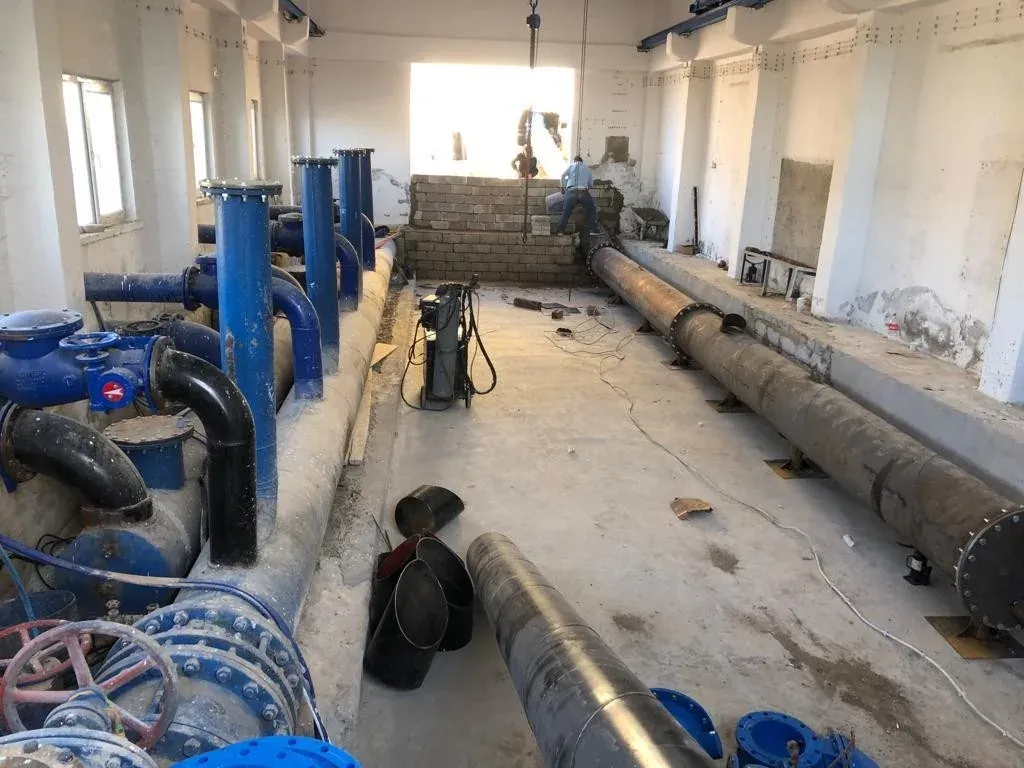
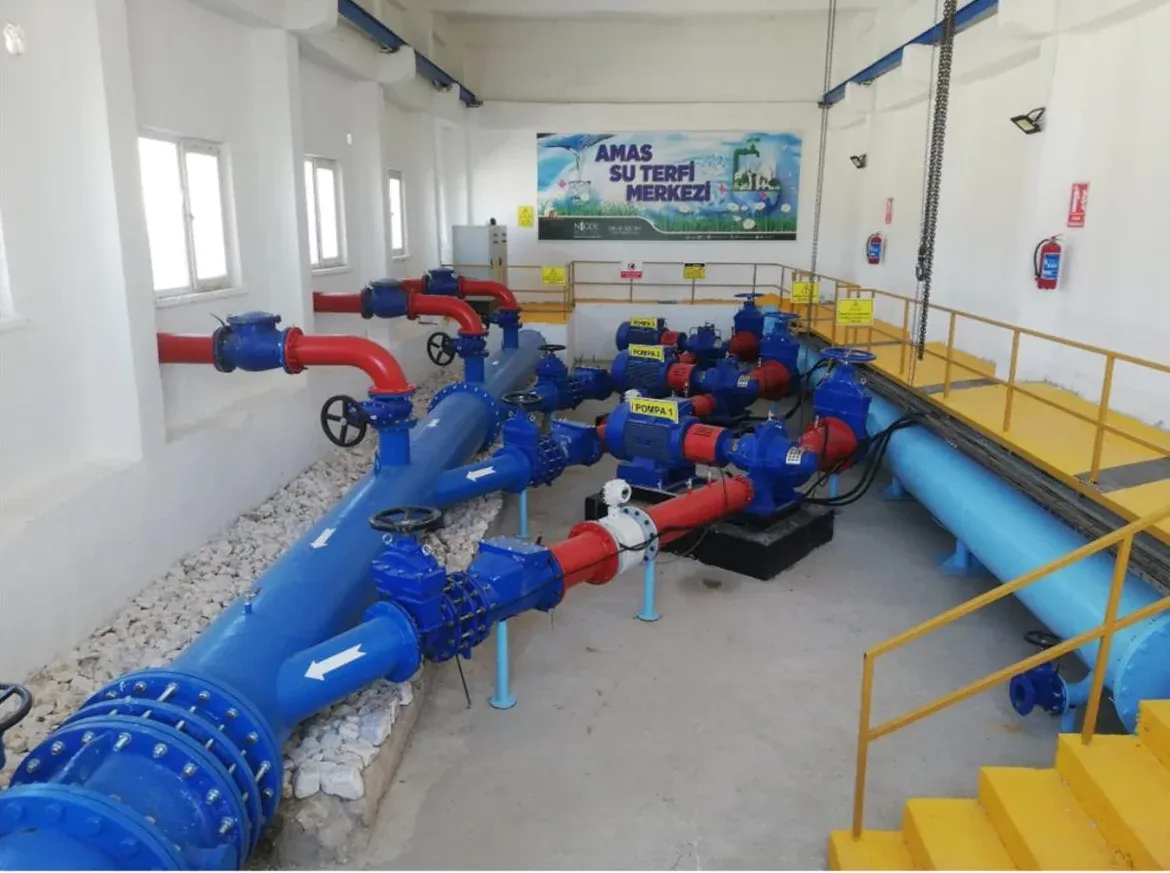
In the project, which began operation in 2021, 46 submersible pump stations, one pumping station and 9 water distribution reservoirs were modernised. Before-and-after photos show the change in the field installations and control panels. These photos are not proposed design visualisations but a record of the completed work. They help convey the physical scope, but they do not replace operating measurements.
Connecting the field to remote operation
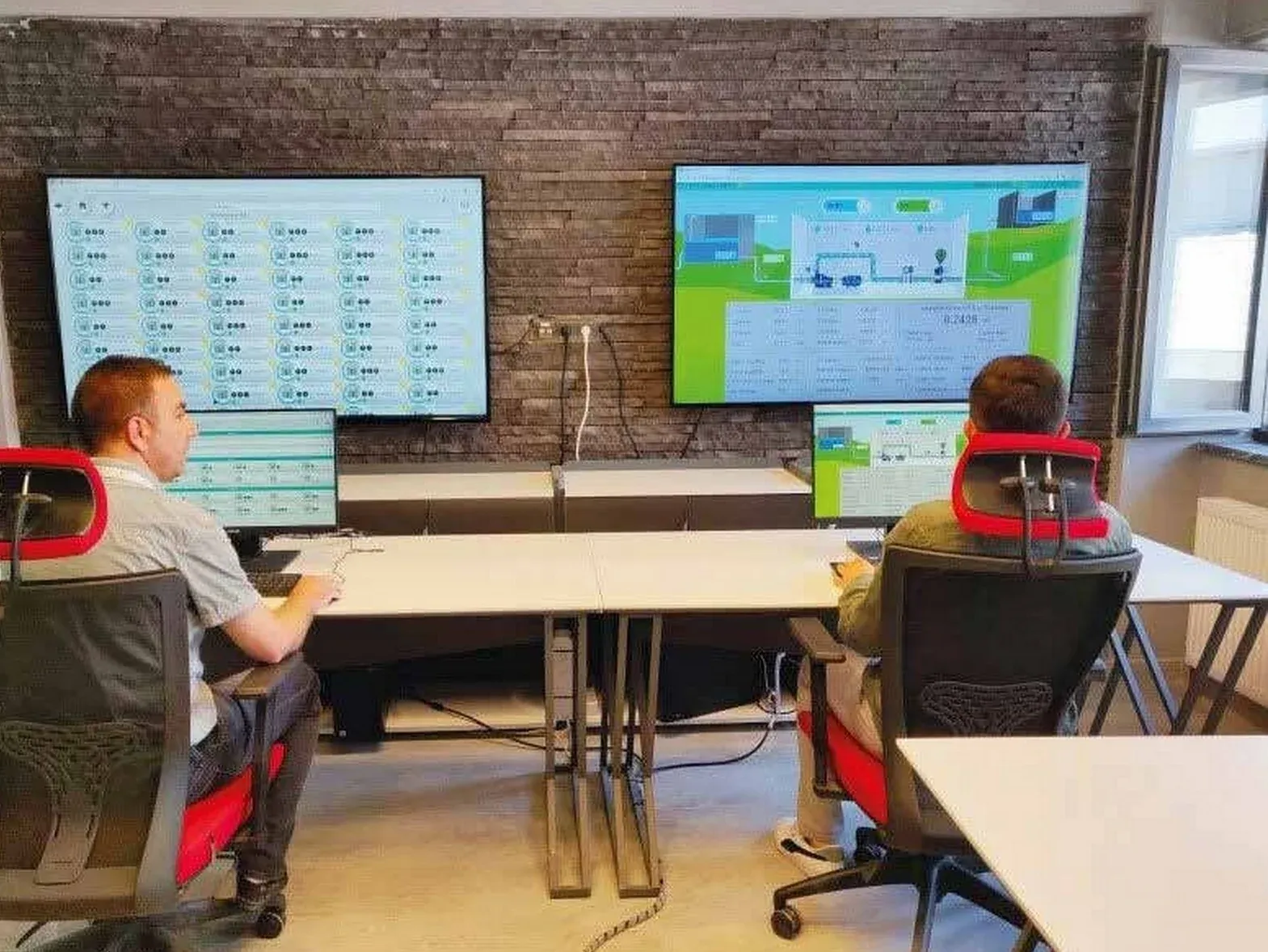
Wells and reservoirs were brought together on the same monitoring and control infrastructure, and the facilities can now be monitored and managed remotely from the control room. As field measurements became visible in a central structure, reporting for assessing water transfer from an operational perspective also became possible. Metirius field control provided the link between the physical facilities and this central management layer. Today EWA delivers this central monitoring layer with Predixi WIS.
The project documents also tie investment and operating responsibility to a savings-sharing model based on energy efficiency. This approach treats the engineering work together with maintenance, monitoring and operating responsibilities.
Reading the experience in its own context
What makes the Niğde case instructive is that it brings equipment, control and operating processes together within one project framework. The scope and targets for another plant are set by that plant’s own measurements. The results of one project do not mean that the same savings will be achieved at every plant with different equipment, water demand or operating conditions. This experience should therefore be read alongside the site assessment of any new project.