Projects
Engineering in the field: delivered projects and projects in development
In Niğde, monthly electricity consumption fell by 36% for the same volume of water. The project cards show the current stage of the Giresun and Kabul studies.
Projects
In Niğde, monthly electricity consumption fell by 36% for the same volume of water. The project cards show the current stage of the Giresun and Kabul studies.
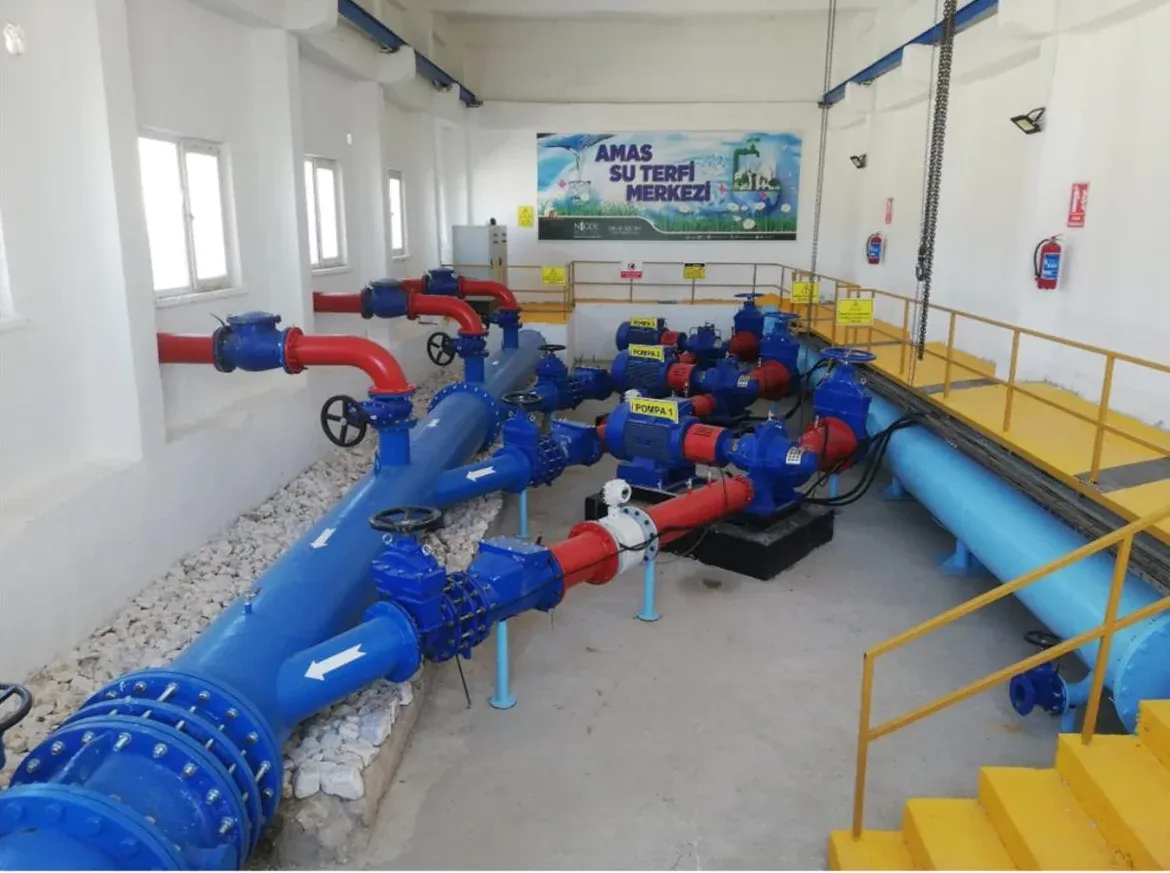
We keep a documented project, a study in contract negotiations and a study at proposal stage clearly apart.
Field modernisation and remote management bringing well, pumping station and reservoir facilities together in a shared operating structure.
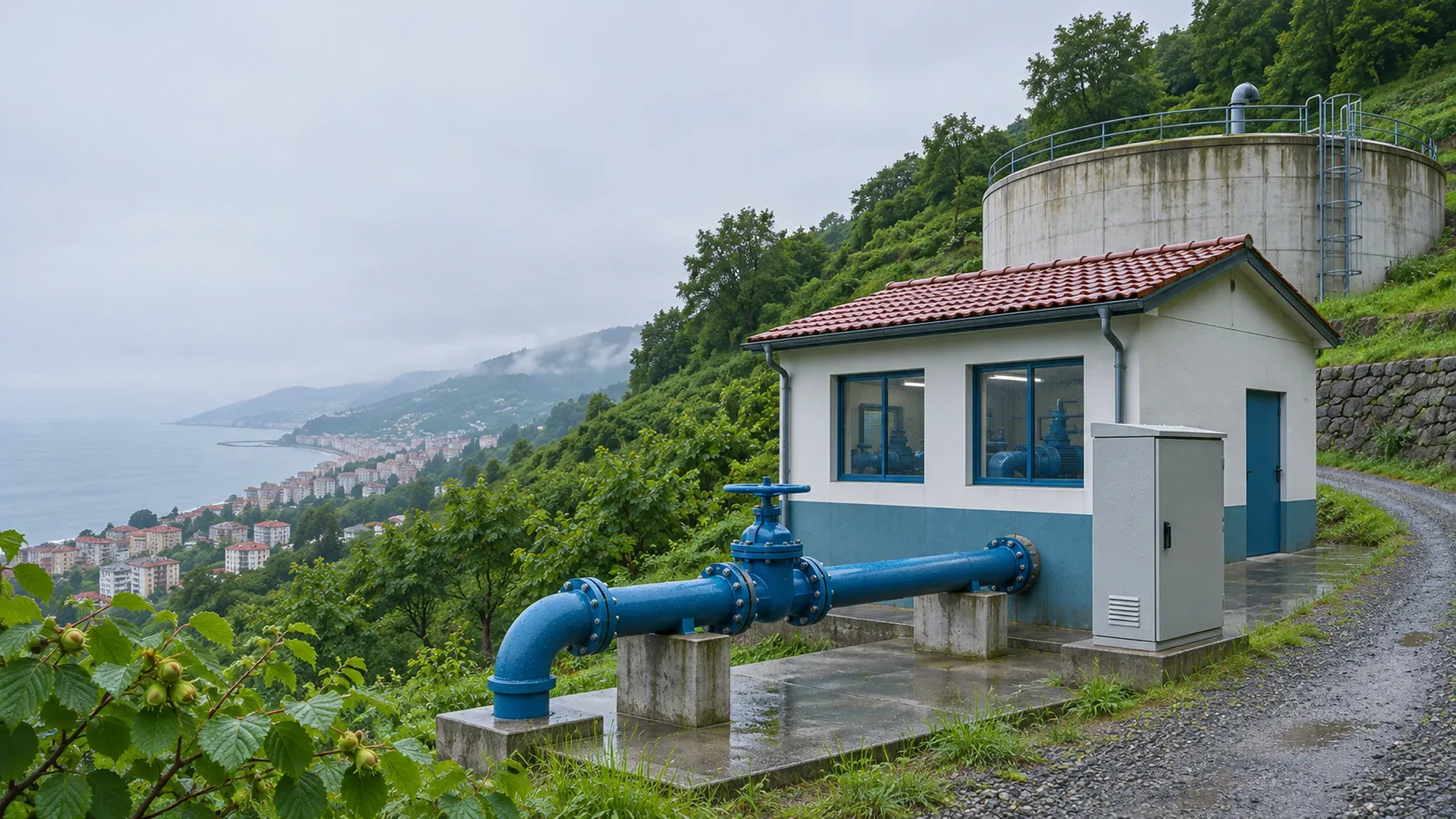
Pump and motor measurements and the feasibility study are complete; contract negotiations are ongoing. This is not a completed project or a verified savings result.
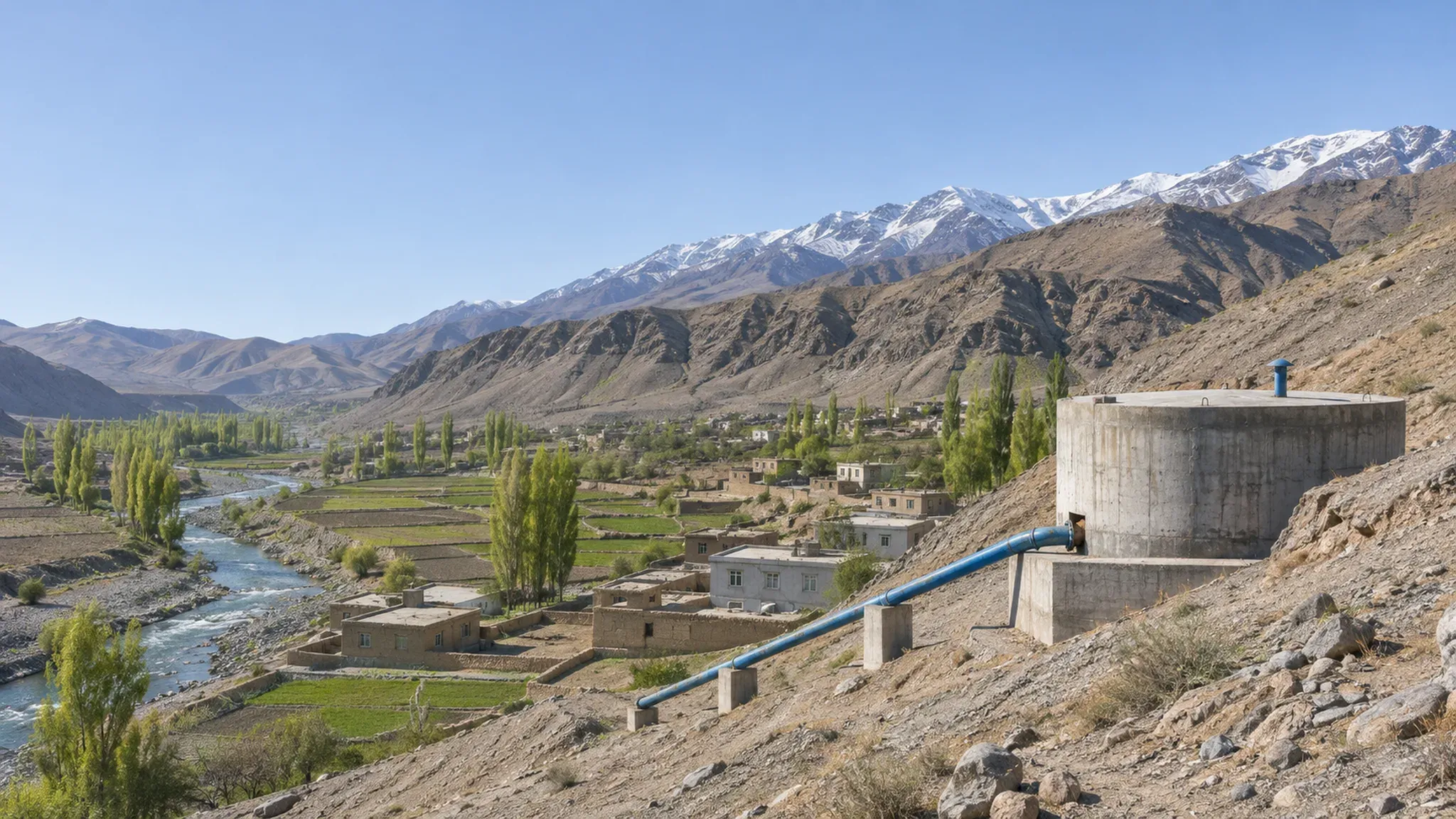
A proposal ranging from water resource assessment and infrastructure modernisation to remote operation and local knowledge transfer.
Deliveries from engineering design to site installation and commissioning, and experience gained through partnerships and collaborations before the current corporate structure.
We completed all four projects and handed them over to our clients. Quantified energy savings are not stated in these reference records.

Industrial water infrastructure at a gunpowder plant. While the plant was being built, we analysed the water needs of the process and auxiliary facilities and prepared the engineering design; we then installed the mechanical water infrastructure, electrical and control panels, PLC-based automation and central SCADA. Water supply now runs automatically and continuously, with pressure, flow and level monitored in real time. Routine manual checks are no longer needed and operating risks from human error have been reduced.
We integrated 25 pump control systems at the plant and installed central SCADA. We applied autonomous control and energy optimisation to the boiler feedwater and auxiliary process pump sets, so the different pump sets can be managed from one central control infrastructure.

We rehabilitated the deep-well, transfer and fire-water pumps and connected them to automation and a central SCADA system, supporting reliable, continuous management of process water in intensive industrial production.

We installed control systems for the water lines and deep-well pumps in the beet processing operation and integrated the field equipment into central SCADA, so the process water infrastructure is monitored and controlled as one.
These projects represent engineering and delivery experience gained through partnerships and collaborations before the current corporate structure.
PLC automation, field measurement, secure wireless communication and central SCADA for drinking-water pumping, booster and storage infrastructure. Control based on reservoir level and network pressure improved energy use and response processes. The system is operated by the public utility.

Pumping and booster stations on a large drinking-water network were automated and connected to central SCADA. The project was completed and handed over.

Pump systems were modernised with variable-frequency drives (VFDs) and automation panels. The initial 50% target was exceeded; the reference record reports 55% energy savings.

Reservoir level monitoring, well pump control and autonomous chlorine dosing were installed; reservoir fill and chlorination parameters can be managed remotely.

Industrial process water distribution, variable-frequency drives, control panels and pump automation. The system supports controlled flow and pressure and continuous production in water-intensive denim manufacturing.

Variable-frequency drives and automation were applied to boiler feedwater pumps and cooling tower circulation pumps. Pressure fluctuations were eliminated, process conditions on the metal and textile lines stabilised and the risk of unplanned downtime reduced.
Multi-well and reservoir synchronisation, reservoir chlorination, residual chlorine monitoring and SCADA integration were installed. Wells and reservoirs work in coordination and pressure on the transmission line is balanced.
Drinking-water pumping stations, drives and control panels were automated. Well, pump and reservoir data were brought together in central SCADA, reducing the need for manual intervention.
The studies below are at feasibility, contract or proposal stage. They are not presented as completed projects or verified savings results. Giresun and Kabul appear in the cards above.
Measurement, baseline analysis and technical feasibility for the boiler feedwater pumps are complete. The proposal covers mechanical and hydraulic rehabilitation and integration with central industrial SCADA. The feasibility study targets a 42.1% net improvement in energy efficiency and proposes 15-year performance sharing.
A project is being developed for pump systems, energy-efficiency upgrades, automation and long-term performance management. The technical scope, investment model, financing structure and performance targets are being defined.
Energy, flow and pressure measurements on the transmission networks and pumping stations are complete. The proposal covers Metirius control panels, central network monitoring and autonomous field control. Long-term investment and savings-sharing options are being evaluated.
Water management, energy efficiency and automation projects.
Test infrastructure for critical systems, industrial automation and project-specific software.
Technology across every stage of the water cycle for municipalities, irrigation cooperatives and agriculture.
Measurement, analysis and turnkey improvements for pump, motor and water systems.
Share your current measurements and targets, and we will plan the measurement, feasibility and implementation scope together.